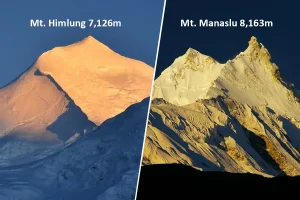
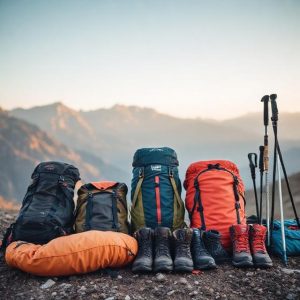
High altitude trekking is a mix of adventure, challenge and slow, steady progress. This guide gives you a simple overview of what to expect when you head above the tree line. You’ll find tips on how to prepare, what gear helps most and how to move at a pace your body can handle. It also touches on common altitude issues so you know when to rest and when to push on. Use this as a quick starting point before diving into the details of your trek.
What Is High-Altitude Trekking?
High-altitude trekking means hiking at elevations usually above 2,500 meters. The air gets thinner, the weather changes fast, and your body needs extra time to adjust. Trails in Nepal, the Himalaya, the Andes, and the Alps often fall into this category.
Acclimatization
Your body needs time to adapt. Most routes build in rest days at around 3,000 to 4,000 meters. Use these days to hydrate well, walk short distances, and avoid overexertion.
Food and Hydration
Eat warm, simple meals. Soups, rice, lentils, and carbs are common. Drink plenty of water and avoid alcohol at high altitude.